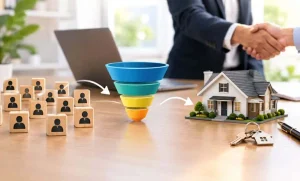



You’ve got the lead. Now what? Most people don’t buy the first time they hear from you. They need time and need trust. They need the right message at the right moment. Manually following up with every lead is impossible when you’re trying to scale.
This is where email sequences come in. Think of them as your automated sales assistant, delivering the right message to the right person at exactly the right time. They work while you sleep, nurturing prospects from “just browsing” to “ready to buy.”
In this post, you’ll discover how email sequences turn cold leads into paying customers. We’ll cover what makes them work, how to build sequences that convert, and the mistakes that kill your results before you even start. Let’s automate your way to more sales.
What Is an Email Sequence and How Does It Work?
An email sequence is a set of emails that are sent automatically in response to a certain action. You only have to write them once, set the time, and let them run. No need to send them manually.
Think about the last time you downloaded a free guide or signed up for a trial. You probably got a welcome email right away. Then another email a few days later. Maybe a third one the following week. That’s an email sequence in action.
The big difference from regular emails? One-off emails are random. You send them when you feel like it. Email sequences are strategic. They follow a plan and happen whether you’re at your desk or on vacation.
Here’s how it actually works:
Someone downloads your checklist. That’s the trigger. Your first email lands in their inbox within minutes saying thanks and delivering the download. Three days pass. Email two shows up sharing a quick tip related to what they downloaded. Wait another four days. Email three arrives with a case study and a soft pitch for your service.
Each email moves them forward. The first one builds trust. The second one adds value. The third one makes the ask. The system tracks who opens, who clicks, and who buys. If they purchase, the sequence stops. If they ignore everything, maybe they exit after email five.
You set it up once. It works forever. That’s the power of email sequences.
Why Email Sequences Are Essential for Sales Automation
You can’t call 100 leads every day by hand. Even 20 is too much work. Automated email sequences take care of the hard work for you, which solves this problem.
You write the messages once, set the triggers, and the system does the rest. Your sequences take care of every lead while you work on closing deals or making products.
You might not think this, but consistency is very important. When prospects hear from you at regular intervals, you stay top of mind. They start to trust you and see you as reliable. Email sequence automation ensures no one falls through the cracks because you forgot to follow up or got too busy. Every lead gets the same quality experience.
The scalability factor changes everything.
With manual outreach, your sales capacity has a ceiling. You can only send so many personalized emails per day. Automated email sequences remove that limit. Whether you have 10 leads or 10,000, each person gets timely, relevant messages. Your business grows without adding more hours to your day.
Industries like real estate have figured this out. Agents use real estate marketing automation to stay connected with buyers who aren’t ready to purchase yet. The sequence keeps the relationship warm until they’re ready to move.
Same principle applies to SaaS, coaching, e-commerce, or any business with a sales cycle longer than a single conversation.
Manual follow-ups also create inconsistency. You might send three emails to one lead and forget about another completely. Email sequences treat everyone equally. They deliver the right message at the right time, every single time. That reliability turns more prospects into customers without burning you out in the process.
Types of Email Sequences That Drive More Sales
Not all email sequences serve the same purpose. Some welcome new subscribers. Others push prospects toward a purchase. The key is to match the right type of sequence to where someone is in the process of buying.
You need to use different methods for different situations. A new lead who just found you needs to learn more about you and trust you. Someone who left their cart needs a soft push. A customer who hasn’t been in touch in months needs a reason to come back.
Knowing these kinds of things will help you make sequences that really work instead of just filling up inboxes.
Here are the five core email sequence types:
Each one solves a specific problem in your sales process. Use them strategically and you’ll see better results across the board.
- Welcome Sequence: Goes out when someone joins your list. Sets expectations. Delivers what you promised. Introduces your brand personality. First impressions matter here.
- Lead Nurturing Email Sequence: You are educating prospects who aren’t ready to buy yet. You can share valuable content. The sequence focuses on establishing a kind of authority. Keeps your solution fresh in their minds until they’re ready to go ahead. This is where most of the sales take place.
- Follow-Up Sequence: This sequence may start after a demo, a consultation, or a proposal. It answers common questions. Shares reviews. It makes people feel like they need to take action without being forced. Bridges the gap between interest and choice.
- Re-Engagement Sequence: It is about retargetting inactive subscribers. Some of your subscribers may have lost your contact. Reminds them why they signed up. Offers fresh value. Gives them a reason to pay attention again. Think of it as a second chance to win them over.
- Sales Conversion Sequence: This is where you ask for the sale. You make a direct offer with clear benefits. It handles last-minute hesitations. Limited-time offers or bonuses, work well here to create urgency and push them over the finish line.
Each sequence type plays a different role
Welcome sequences build the foundation. Lead nurturing keeps prospects warm over time. Follow-ups are about specific interactions. Re-engagement gets cold contacts back. Conversion sequences seal the deal.
The magic happens when you combine them. Someone enters through a welcome sequence. They move into lead nurturing. They get a follow-up after downloading a resource. Eventually, they hit your conversion sequence when they show buying signals. Getting people to open those emails matters just as much as the sequence itself, which is why the best email subject lines for real estate agents focus on curiosity and relevance.
Stack these sequences right and you build a complete automated sales system that works around the clock.
Key Elements of a High-Converting Email Sequence
Sending emails on time is only one part of a great email sequence. It’s about sending the right message with a clear goal at the right time. Each email needs to earn its spot in the sequence.
Most sequences fail because they lack structure. Random tips here. A sales pitch there. No clear path from start to finish. High-converting sequences follow a different playbook.
Every Email Needs a Job
Don’t send emails just to keep in touch. Email one welcomes you and tells you what to expect. The next email two gives something of value and builds trust. Email three deals with a common complaint. Email four makes the deal. When each message has a clear purpose, your sequence moves prospects forward instead of making them angry.
The flow matters as much as the content. If you pitch too early, people unsubscribe. Wait too long, and they forget about you. Find the sweet spot based on your sales cycle.
The Details That Make or Break Performance
An automated email sequence handles the sending, but you control the strategy. Small tweaks in these areas create massive differences in results.
- Subject lines determine if anyone reads your emails. Keep them short, make them curious, and avoid spam triggers.
- Timing gaps between emails need to be balanced. Too frequent feels pushy, while too spread out loses momentum. Most sequences work well with 2-4 day gaps early on, then longer breaks later.
- Tone consistency builds familiarity. If email one sounds casual and friendly, don’t suddenly go corporate in email three.
Personalization goes beyond using their first name. Reference their specific action. Mention the resource they downloaded. Speak to their industry or role when possible. It shows you see them as individuals, not just email addresses.
Strong calls to action guide the next step. Don’t leave people guessing what to do. Reply to this email. Book a call. Download the guide. Watch the demo. One clear CTA per email works best.
Value-driven messaging keeps them engaged. Every email should teach something, solve a problem, or move them closer to their goal. Pure sales pitches kill sequences fast. Lead with value, and the sales take care of themselves.
Step-by-Step Process to Create an Effective Email Sequence
At first, it seems like a lot of work to make an email sequence from scratch. You look at a blank screen and wonder what to write, when to send it, and how many emails you really need.
The good news? You don’t have to come up with a new way to do things. If you follow a proven process, you’ll have a working sequence before you know it.
1. Define Your Goal
Start with the end in mind. What do you want this sequence to achieve? Book more buyer consultations? Get sellers to schedule listing appointments? Re-engage leads who went cold six months ago? Your goal shapes everything else.
A welcome sequence for new leads works differently than a sequence for past clients you want to win back. Get clear on this first or you’ll write aimless emails that don’t convert.
2. Understand Your Audience
Who are you writing to and what keeps them up at night? A first-time homebuyer has different concerns than an investor looking for their third property. Think about where they are in their journey. Are they just starting to explore neighborhoods? Ready to make an offer? Still unsure if now’s the right time to sell?
The better you know your audience, the more your emails will resonate. When you speak directly to their specific situation, they pay attention. Generic real estate emails get deleted. Personalized ones get responses.
3. Map the Sequence Journey
Describe the steps that lead from the first email to the conversion. How many emails do you need? What should each one do? This is a simple structure that works:
- Email 1: welcomes them and delivers what you promised
- Email 2: shares a helpful market insight or buyer tip
- Email 3: tells a success story from a recent client
- Email 4: addresses common objections or concerns
- Email 5: makes a clear offer to book a call or tour
You can use an email sequence template to speed this up, but make sure you customize it for your market and the type of leads you’re nurturing.
4. Write Engaging Emails
Now it’s time to write. Talk to them like you’re texting a friend who asked for help. Short sentences are better than long ones. Every time, stories beat numbers. You should feel like you’re talking to one person in each email, not sending a message to everyone in your database.
Lead with value before you ask for anything. Answer “what’s in it for me?” within the first few lines. Maybe you share a neighborhood guide. Or point out a pricing trend they should know about. Give them something useful, then end with one clear next step.
5. Set Timing and Triggers
Decide what kicks off the sequence and when each email sends. Someone downloads your first-time buyer checklist? That’s the trigger. Email 1 goes immediately with the download link. Email 2 waits three days. Email 3 comes four days after that.
Timing varies based on your sales cycle. Buyers move faster than sellers usually. Test different gaps to see what keeps people engaged without overwhelming them. Real estate agents who use email marketing for real estate strategically find that the right timing makes all the difference between a response and radio silence.
6. Test and Optimize
Your first version won’t be perfect and that’s okay. Send it to a small group first. Check your open rates and click rates. Which emails get responses? Which ones get ignored?
Maybe your subject lines need work. Perhaps email three comes too soon. Your call to action might be unclear. Tweak one thing at a time and measure the impact. Small improvements add up fast when you’re sending sequences to hundreds of leads.
The beauty of email sequences is that you build them once and they keep working for you. Agents who figure out how to automate their real estate business spend less time chasing leads manually and more time closing deals. Put in the effort up front, and you’ll have a system that nurtures leads while you’re showing houses or enjoying your weekend.
Best Tools and CRMs to Automate Email Sequences
The right tools make all the difference when you’re building email sequences. You need software that handles the automation so you can focus on selling homes, not managing spreadsheets. A good email sequencing tool saves hours every week and keeps your follow-ups consistent.
Look for platforms that track opens and clicks. You want to see who’s engaging and who’s ignoring your emails. Segmentation helps you send the right message to the right people. Someone looking for their first condo gets different content than an investor hunting for rental properties. Automation workflows let you set triggers based on behavior. Download a guide? They enter sequence A. Ghost you for 30 days? They get re-engagement emails.
What Makes a CRM Worth Using
A CRM with email sequence capabilities changes how you work. It connects your lead capture, your email campaigns, and your sales pipeline in one place. No more switching between five different tools just to send a follow-up.
Take NOVACRM as an example. Built specifically for real estate CRMs, it combines AI-powered automation with smart email sequences that actually convert. You can set up drip campaigns in minutes, track every interaction, and get insights on what’s working.
The platform handles batch texting, social media scheduling, and lead management alongside your email sequences. Everything lives in one dashboard instead of being scattered across multiple apps.
Three Features That Matter Most
- Ease of use separates good tools from frustrating ones. If it takes you two weeks to figure out how to build a sequence, you’ll never actually use it.
- Integration with your existing tools saves massive headaches. Your CRM should connect with your website, your calendar, and your other marketing platforms without custom coding.
- Analytics show you what’s actually driving results. Open rates tell you if your subject lines work. Click rates reveal if your content resonates. Conversion tracking proves which sequences turn leads into clients.
The best tools do more than just send emails. They let you see the whole sales process. You can see which leads are still interested, which ones have lost interest, and where each person is in your funnel. That clarity helps you make better use of your time and close more deals without having to work more hours.
Stop Chasing Leads Manually. Let Email Sequences Do the Work.
Sales in real estate have changed. You can’t manually follow up with every lead and expect to scale. Automation isn’t optional anymore. It’s how top agents stay competitive while everyone else burns out trying to keep up.
Email sequences handle the repetitive work so you can focus on what actually closes deals. They nurture leads while you’re showing properties. They re-engage cold contacts while you’re sleeping. Sequences help you turn interested browsers into serious buyers without you lifting a finger after the initial setup. Whether it’s a follow-up email after a meeting in real estate or a long-term nurture campaign, sequences keep the conversation going consistently.
Understanding what an email sequence is and how to use it strategically separates agents who struggle from those who thrive. The setup takes effort upfront. But once it’s running, you have a system like NOVACRM that works 24/7 to fill your pipeline and move prospects toward a decision.
Automation plus strategy equals consistent sales. Build your sequences right. Test what works. Let the system handle the follow-ups. That’s how you grow without working twice as hard.