


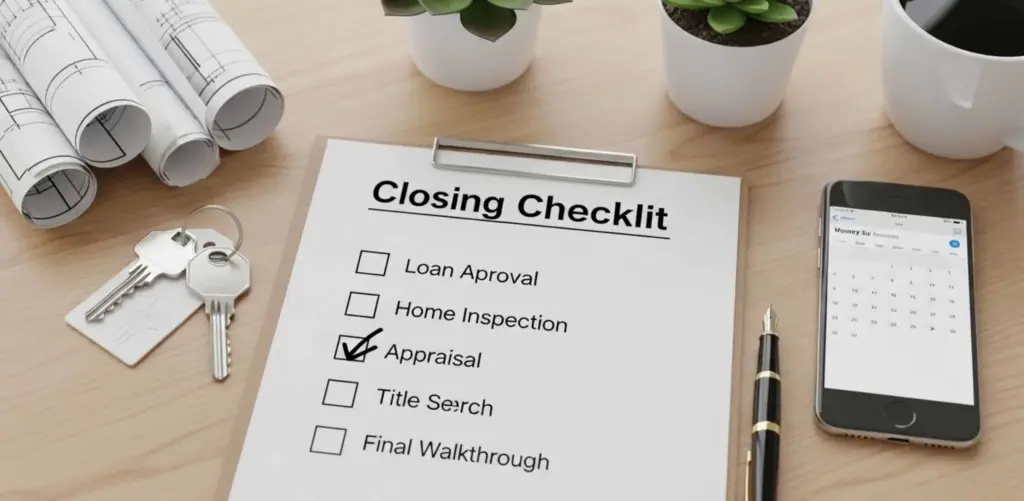
Buying a property or selling one should be an experience. But for a lot of people, the last day is really stressful. There are papers to sign and money to pay. You have to do all this before a certain time.
If you forget one thing, the whole process gets delayed. That is why you need a real estate closing checklist of things to do when you are closing a property deal.
A lot of professionals now use tools and computer systems to keep track of papers and make sure everything happens on time. These systems also help reduce mistakes. This makes the whole process faster and more correct.
In this guide, you will get a simple and easy-to-follow list of steps to complete a property deal without any problems.
You will learn what you need to do to make the day of your property deal go smoothly and successfully.
What Is a Real Estate Closing Checklist?
A real estate closing checklist is a step-by-step list of tasks you must complete before, during, and after closing a property deal.
It helps you:
- Stay organized
- Avoid delays
- Reduce legal risks
- Save time and money
Why Is Closing the Most Important Step?
Closing is where everything becomes official.
- Ownership transfers
- Payments are completed
- Legal documents are signed
If something goes wrong here, it can affect the entire deal.
That’s why professionals now use our best tools, real estate deal tracking software, to manage deadlines, documents, and communication in one place. It helps avoid last-minute stress and keeps everyone on track.
Real Estate Closing Checklist (Complete Guide for Everyone)
This is your master real estate closing checklist. Use it for any residential deal.
30 Days Before Closing
Start early to avoid last-minute problems.
- Apply for your mortgage and get approval
- Hire a real estate lawyer
- Schedule a home inspection
- Verify property title and ownership
- Confirm closing date with all parties
Quick Tip: Don’t delay inspections. Issues found late can delay your closing.
15 Days Before Closing
Now things start moving faster.
- Receive final mortgage approval
- Arrange home insurance
- Review closing disclosure statement
- Plan your final walkthrough
This is the time to double-check everything.
7 Days Before Closing
- Confirm funds for down payment
- Recheck closing costs
- Verify legal documents
- Confirm appointment time and location
On Closing Day
This is the big day.
- Sign all documents (sale deed, transfer papers)
- Pay the remaining amount and fees
- Receive keys and possession letter
- Collect receipts for all payments
Quick tip: Always read documents before signing.
After Closing
Your job is not fully done yet.
- Register property in your name
- Update utility bills and property tax
- Store all documents safely
Buyer’s Agent Checklist for Closing
If you are an agent, your role is critical. You guide your client and protect their interests. This buyer’s agent checklist for closing helps you stay professional and organized.
Pre-Closing Tasks
- Confirm the buyer’s loan approval
- Ensure the down payment is ready
- Coordinate inspection and reports
- Review legal documents
1 Week Before Closing
- Review the final closing statement
- Remove all contingencies
- Confirm closing details (time, place, ID)
On Closing Day
- Attend the closing with your client
- Explain each cost clearly
- Confirm all dues are paid
- Ensure keys and documents are received
Never rush your client. Help them understand every step. If you want better efficiency, AI call automation in real estate can handle routine calls and schedule follow-ups. Also, it helps you focus on closing deals instead of managing every conversation manually.
How Technology Helps Agents Today?

Today’s real estate agents don’t just depend on calls and meetings. They use simple digital tools to make their work easier and faster, especially during closing.
1. Faster Deal Tracking
Agents can track every step of a deal in real time. They can see what is pending, what is completed, and what needs attention. This helps avoid delays.
2. Easy Document Sharing
Instead of handling paper files, agents now send documents online. Clients can review and sign them from anywhere. This saves time and reduces errors.
3. Better Time Management
Scheduling tools help agents plan meetings, reminders, and deadlines. This keeps everything organized and prevents last-minute stress.
4. Improved Client Experience
Clients get updates quickly through messages, emails, or apps. This builds trust and keeps everyone informed during the closing process.
5. Data-Based Decisions
Agents can use market data to guide buyers and sellers. This helps in pricing, negotiation, and making smarter decisions.
Technology helps agents work smarter, not harder. It reduces stress, saves time, and makes the closing process smoother for everyone involved. Our popular AI cold calling real estate helps you connect with leads, save time, and grow your business. Explore how this smart solution can boost your results.
Commercial Real Estate Closing Checklist
Commercial deals are more complex. They involve more documents and longer timelines. This commercial real estate closing checklist will help you manage the process.
Pre-Closing Requirements
- Environmental assessment (if required)
- Zoning and land use approval
- Review tenant leases
- Tax clearance certificate
Due Diligence
- Title search and encumbrance check
- Structural inspection
- Fire safety approvals
- Business compliance checks
Pro Insight: Commercial deals need deeper verification.
Closing Day Tasks
- Execute sale agreement
- Transfer utilities and services
- Pay higher commercial stamp duty
- Receive approved building plans
Important Note
A commercial real estate closing checklist usually takes longer. Expect 60 to 90 days for full completion.
Real Estate Closing Attorney Checklist
A lawyer plays a major role in closing. They protect you from legal risks. This real estate closing attorney checklist ensures everything is legally safe.
1. Legal Verification
- Title search (last 30 years)
- Check for liens or legal issues
- Verify seller identity
- Confirm tax payments
2. Document Review
- Review the sale agreement
- Check mortgage documents
- Verify stamp duty and fees
- Prepare closing statement
3. At Closing
- Confirm all signatures
- Collect original documents
- Ensure the property is vacant
- Record ownership transfer
4. After Closing
- Get registered documents
- File ownership changes
- Resolve any legal issues
Common Closing Mistakes to Avoid
Many people make simple mistakes that delay closing. You should avoid these:
- Not reading documents carefully
- Ignoring inspection issues
- Miscalculating closing costs
- Delaying paperwork
- Not hiring a lawyer early
Know Extra Tips for a Smooth Closing

Small steps can make a big difference. A few simple steps can make your closing process much easier and stress-free.
1. Keep Your Documents Ready
Store all important papers in one place. This helps you avoid last-minute searching and delays.
2. Double-Check Your Finances
Make sure your funds are ready before closing day. Confirm amounts with your bank to avoid payment issues.
3. Stay in Regular Contact
Keep in touch with your agent, lawyer, and lender. Quick communication helps solve problems faster.
4. Visit the Property One Last Time
Do a final walkthrough to check if everything is in the right condition before signing.
5. Understand Every Cost
Ask questions about any charges you don’t understand. This prevents surprises at closing.
6. Keep Extra Time on Closing Day
Don’t rush. Give yourself enough time to review documents and complete the process calmly.
7. Save Copies of Everything
After closing, keep digital and physical copies of all documents for future use.
A well-written real estate lead follow-up email helps you stay in touch with potential clients, build trust over time, and increase conversions. Learn how to write emails that get responses.
Final Takeaway
No matter your role—buyer, agent, investor, or lawyer- a checklist is your best tool. It keeps you organized and confident during closing.
Use this guide as your go-to real estate closing checklist whenever you are involved in a property deal.
Quick Summary
- Start preparing early
- Follow each step carefully
- Use professional help when needed
- Double-check all documents
- Stay calm and organized