

Real estate deals take a considerable amount of time. It can take weeks or even months to buy or sell a house. Several people look over documents, make sure they are legal, and check ownership. Every step needs a person to watch over it, which makes each deal take longer and cost more.
The industry relies heavily on trust. People trust agents, lawyers, and government records. Brokers and title companies are trusted by sellers. Everyone depends on centralized systems to confirm who owns what. When things go wrong, arguments can last for months or even years.
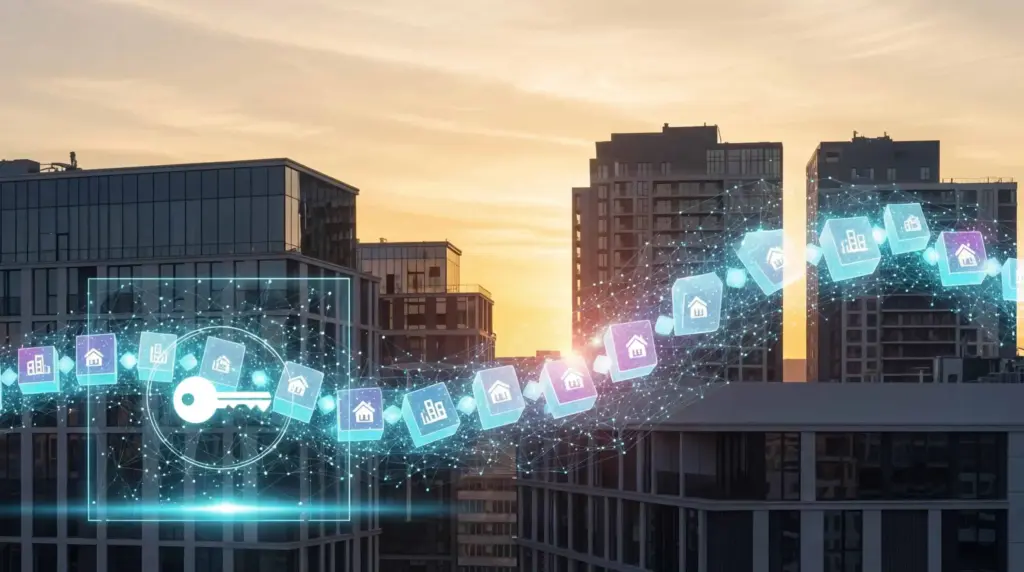
New technologies are now making their way into this old area. Blockchain in real estate promises to make deals faster, cheaper, and more open. Smart contracts could take over tasks that lawyers and brokers now do. People might be able to buy small parts of properties with digital tokens.
What Blockchain Means for the Real Estate Industry
Blockchain is a digital record that keeps track of transactions on many computers. No one person or business owns it. No one can change or delete information that is already in the blockchain. This makes a permanent, clear record that anyone can check.
In traditional real estate systems, data is kept in different databases. Banks keep track of mortgage payments. Government offices keep track of property titles. Title companies keep their own records. It’s not easy for these systems to talk to each other. Blockchain in real estate changes this by making a single record that everyone can see.
The technology makes it possible for many transactions to happen without middlemen. When certain conditions are met, smart contracts run on their own. You could finish a property sale without having to wait for a lot of approvals.
At the same time, buyers and sellers see the same information. People trust the system more when it is open. Anyone can check the history of ownership without having to call different offices. The fact that it can’t be changed stops fraud.
Canada is a good example of how to use blockchain in real estate in a responsible way. Instead of rushing to use blockchain-based systems, the country is testing them out in clear legal settings. There are no definite rules right now but concerned authorities are working on it. Digital record-keeping systems are common but blockchain is still not implemented at scale. This careful approach protects consumers while also encouraging new ideas.
How Traditional Real Estate Transactions Work
The process of buying and selling real estate is not always straightforward. A seller puts their property up for sale through an agent or brokerage. Buyers look at listings and make offers through their agents. When both sides agree on the terms, lawyers or notaries write up the contracts.
Lenders check your finances and give you approval for a mortgage. Title companies look through ownership records to make sure the seller really does own the property. Government registries keep track of the final sale and make the transfer of ownership official.
Why Property Deals Are Often Slow
Each step in the process needs to be checked by hand. Agents work together to set up schedules and work out terms. Lawyers go over contracts line by line to look for legal problems.
- Document Collection: Sellers spend days hunting down property deeds. They dig through old files for tax records and mortgage statements. Each document comes from a different place.
- Search for a Title: Title companies look at ownership records that go back decades to find a title.They look for old liens that might still be in effect. This is important, but it takes a long time. Even small legal claims from years ago can stop a sale.
- Getting a mortgage: Lenders want to see pay stubs, bank statements, credit reports, and proof of employment before they give you money.
- Legal Review: It’s important to follow the rules in your area.That’s why lawyers check zoning laws, local rules, and easements that could affect the sale. There may be rules that limit what you can build.
Agents juggle multiple clients going through these steps at once. Keeping everyone updated becomes a full-time job. The best CRM for new real estate agents helps manage client communication during these lengthy processes. They can save a lot of time and effort in the transactions. CRM allows agents to manage the buying and selling process. It helps them in lead management, conversations and communication.
Where Mistakes and Delays Happen Most Often
Different groups keep their own records, which don’t always match. The information in a bank’s mortgage file might not match the information in the provincial registry. There can be many mistakes, especially when things are being done manually.
Mistakes made by people cause problems when entering data. Someone makes a mistake when they type in an address or spell a name. It takes weeks to fix these little mistakes. When people doubt the authenticity of a document, trust gaps slow everything down.
These inefficiencies create opportunities for blockchain technology to step in. A shared, transparent ledger could eliminate mismatched records and reduce verification time. This is where blockchain in real estate begins to show its potential value.
How Blockchain Fits Into Today’s Real Estate Deals
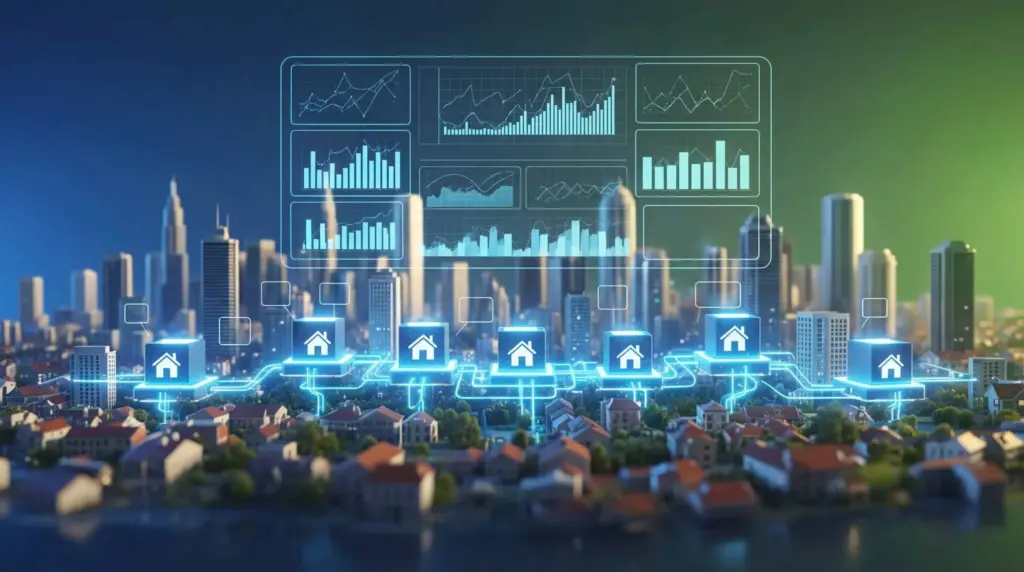
Blockchain doesn’t take the place of real estate agents. It is a layer that helps them do their jobs faster and better. Agents still help buyers and sellers make decisions. Lawyers still give legal advice and look out for their clients’ best interests. The technology just makes it easier for everyone involved in a transaction to share information.
The system makes one place where everyone can find the truth. The blockchain keeps track of property changes right away. Title searches go faster because the history of ownership is kept in one place that has been checked. Instead of having to check documents by hand for days, document verification happens automatically.
Blockchain solves real problems that waste time and money:
- Different titles
- Checking documents by hand
- Delays in transactions
- Lack of transparency
These changes don’t get rid of the need for human expertise. They get rid of the boring tasks that slow down deals. Professionals spend less time looking for paperwork and more time helping their clients. People handle negotiation, strategy, and personal service, while the technology handles verification.
Smart Contracts and Property Agreements That Are Done Automatically
Smart contracts are programs that run on the blockchain. They have the terms of the agreement written in code. The contract automatically does what it says it will do when certain conditions are met. There is no need for anyone to manually start the next step or check that the terms were followed.
These contracts cut down on mistakes made by people and speed up closings. Lawyers have to make sure that all the terms of a traditional contract are met before moving forward. Smart contracts check conditions right away by using data from multiple sources. They send out payments, update ownership records, and let everyone know right away.
How Smart Contracts Work in the Real Estate Market
Smart contracts are like “if-then” statements that run on their own. The inspection period starts when the buyer pays the deposit. The financing period starts if the inspection doesn’t find any big problems. The buyer gets the house if the lender agrees to the mortgage.
The blockchain checks each condition on its own. It checks the balances in wallets to make sure payments go through. It checks approvals by reading databases that are connected to it. The contract makes the final transfer when all of the conditions are me.
Legal and Compliance Considerations
Smart contracts have to follow the rules that already exist for property. Canada has specific legal requirements that must be met for real estate transactions. Provincial rules say how ownership changes hands, what sellers have to tell buyers, and how money is handled.
In another guide, we go into great detail about smart contracts in real estate. Lawyers still check the terms to make sure they are legal. Regulators and technology developers work together to make rules that keep consumers safe while also allowing new ideas to come up.
Property Records, Listings, and Clear Ownership
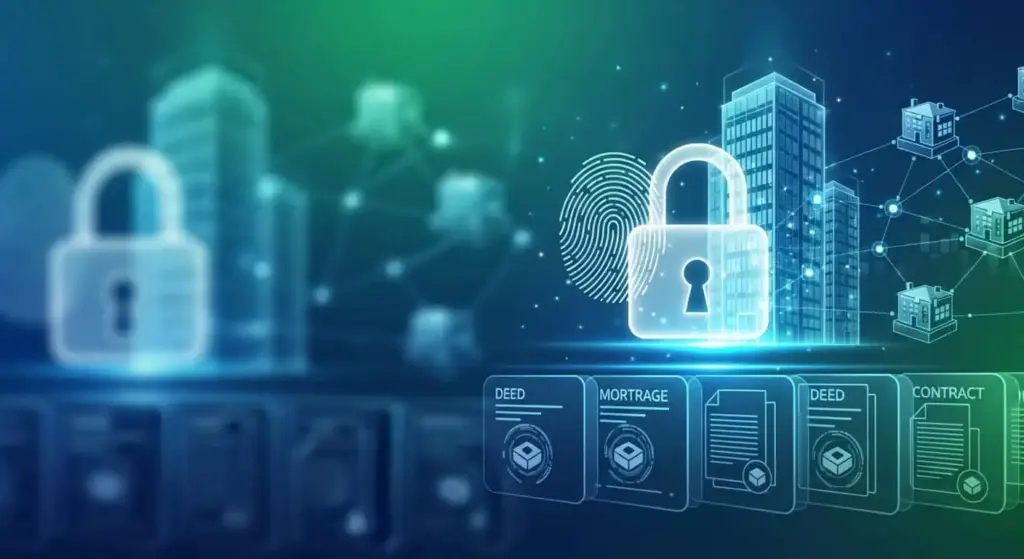
Blockchain makes a permanent record of who owns property that you can check at any time. Every transaction is recorded with a timestamp and stays there forever. Property records are stored in different places right now. Some files are kept at county offices. Listing services have their own databases. Nothing talks to each other.
- History of Ownership: You can see who owned it before, how much they paid, and when they bought it. You don’t have to worry about whether there is a hidden lien or old lawsuit on the property anymore.
- Correctness of the Listing: Agents can’t put a property on the market if they don’t actually own it. Sellers can’t add a bedroom that does not exist. The system checks the official records on its own.
- Prevent Fraud: Someone says they own a house? You can look at the blockchain in just a few seconds. Fake ownership papers don’t work anymore. Everyone knows the same thing.
This gives buyers more faith in what they buy. Sellers don’t have to spend days looking for old paperwork. Instead of chasing papers, your real estate agent’s job is to find you the right home.
Why It’s Important to Have Accurate Listings
You waste your Saturday driving to see a house with three bedrooms. You walk in and see two bedrooms. It’s annoying, isn’t it? Or you’re ready to buy your dream home, but surprise liens show up that no one told you about.
These problems happen all the time. This mess is fixed by listings that are verified by blockchain. Platforms like IDX websites get information directly from blockchain records. What you see on the internet is real. Your agent spends time helping you negotiate instead of fixing mistakes in the listing.
Tokenization and Fractional Property Ownership
Tokenization of property can convert real estate into digital shares. You don’t buy the whole building; you buy tokens that stand for a part of it. Each token shows that you own a certain amount of the property. How many tokens you buy depends on your budget.
Think of it like owning shares in a company, but the asset is a physical building. A commercial property worth five million dollars gets divided into 500,000 tokens. Buy 1,000 tokens and you own 0.2% of that building. Rental income? You get 0.2% of it. The property value goes up? You benefit from 0.2% of that growth.
This opens real estate investing to regular people. Forget needing a million dollars to invest in prime properties. A few hundred or a few thousand dollars gets you started. Spread your money across multiple properties instead of betting everything on one home.
Young professionals benefit most from fractional ownership. First-time investors can find their entry point here. People living in expensive markets like Toronto or Vancouver can finally invest in real estate without massive down payments. We have explored real estate tokenization in depth in another guide.
The trend keeps growing. Investors want access to markets they couldn’t afford before. Blockchain makes tracking thousands of small ownership stakes accurate and secure.
The Future of Blockchain in Real Estate
Blockchain adoption in real estate won’t happen overnight. The technology is making progress, but it’s doing so slowly. Most markets are trying out hybrid systems that combine the best parts of blockchain with the infrastructure they already have. Distributed ledgers and traditional databases can work together. Verification by paper is slowly being replaced by verification by computer.
Blockchain won’t take away jobs from real estate agents. The technology takes care of verification, keeping records, and automated transfers. Agents still know a lot about the market, negotiate deals, and help clients make tough decisions. Lawyers still read contracts and look out for their clients’ legal rights. Blockchain just takes the boring paperwork off their hands.
New agents looking for best CRM for the new real estate agents should consider how these tools will integrate blockchain features over time. Think about being able to check who owns a property right from your CRM dashboard. In a tech ecosystem that is always changing, these tools work well together.
The long-term effect looks good but realistic:
- Quicker Real Estate Closings: Transactions that used to take 30 to 60 days could now be done in 7 to 14 days because verification is now instant.
- Lower Costs: Fewer middlemen and less manual work mean that buyers and sellers pay less in transaction fees.
- Better Access: Fractional ownership makes it possible for more people to invest in real estate markets that were once out of reach.
- More Trust and Transparency: Clear records cut down on fraud and make people more sure about property deals.
What to Expect Moving Forward
Blockchain has real benefits, but it’s not a miracle. The technology won’t make bad properties better or guarantee returns on investments. It won’t get rid of the need for professional advice or inspections. When you know how blockchain in real estate works, you can tell the difference between real chances and overhyped promises. First, learn about the technology, and then use it as it becomes more popular in your market.